Articles, Books and Publications

Das Kernproblem

Du willst bei 501 Double Out setzen und landest jedes Mal im Nirgendwo, weil du die Spielmechanik nicht genug durchblickst. Hier knüpfen viele an die Illusion, das Brett sei nur ein Glücksspiel, obwohl es ein Rätsel mit klaren Wahrscheinlichkeiten ist.

Warum klassische Tipps versagen

Die meisten „Profis“ reden von „Sicherheiten“ und “unfehlbaren Systemen”. Echt? Nein. Sie ignorieren den entscheidenden Faktor: das Ziel‑Hit‑Muster. Ohne das zu verstehen, ist jede Wette ein Schuss ins Leere.

Der Schlüssel: das Double Out‑Fenster

Bei Double Out musst du die letzten beiden Darts exakt treffen, um das Spiel zu beenden. Das bedeutet, du musst die Kombinationen kennen, die dein Score zulässt – und das in Echtzeit kalkulieren. Wer das nicht kann, wirft Zahlen ins Leere.

Strategische Aufstellung

Erstelle zunächst deine “Sweet‑Spot‑Liste”. Das sind Punkte, die dich mit einem bis drei Darts ins Ziel bringen. Beispiel: 170, 167, 164 – das sind die Klassiker. Dort liegt die Magie, weil du mit einem Single‑Bull oder Double 20 das Spiel beenden kannst.

Praxis‑Tipp für die Wette

Setz deine Einsätze nicht blind. Wähle ein Spiel mit einem hohen Durchschnitts‑Checkout‑Rate, weil dort die Wahrscheinlichkeit steigt, dass dein Double Out tatsächlich passiert. Und hier ist der Deal: Wenn du einen Spieler mit einer 75 %igen Checkout‑Quote findest, setz mindestens den doppelten Betrag, den du sonst würdest.

Die Psychologie des Wetters

Du denkst, du bist rational, aber dein Gehirn ist ein Trojaner. Jeder verpasste Double-Out-Schuss lässt dich hektisch agieren, das Geld wird zum „bösen“ Monster. Bleib cool, setz dein Limit, und halte dich strikt an die Statistik, nicht an das Bauchgefühl.

Wie du den Wert erkennst

Schau dir die Quoten an – sie sind nicht nur Zahlen, sie sind die Stimme des Marktes. Wenn ein Buchmacher ein Double Out mit 2,3 anbietet, dann ist das ein starkes Signal, dass das Risiko bereits eingepreist wurde. Nutze das, indem du deine Einsätze dynamisch anpasst, sobald die Quote ein wenig fällt.

Das entscheidende Manöver

Hier kommt das eigentliche „Game‑Changer“-Paket: Kombiniere das Double Out‑Target mit einem Live‑In‑Play‑Wetten‑Panel. Während das Spiel läuft, beobachte, ob der Spieler gezwungen wird, ein höheres Double zu treffen. Sobald er in die Nähe von 100 Punkte kommt, erhöhe deinen Einsatz sofort um 30 %.

Und hier ist das Fazit: Mach dein Double Out nicht zum Glücksspiel, mach es zur kalkulierten Taktik. sportwettenexperte.com liefert dir die Daten, du bringst die Disziplin. Setz jetzt den ersten klaren Schritt – wähle ein Spiel, notiere die Checkout‑Quote, lege dein Limit fest und leg sofort los.

Warum das Wetter das Herzstück der Sechseläuten-Wetten ist

Das Sechseläuten ist nicht nur ein Traditionsfest, sondern ein Meteorit aus Emotionen, das jedes Jahr in Zürich vom Himmel fällt. Kurzfristige Regenwolken können das Feuerwerk ersticken, während ein klarer Himmel die Glücksquoten sprießen lässt. Hier liegt das eigentliche Spielfeld: das Wetter. Und das macht jede Wette zum Risk‑Game.

Die zwei Gesichter der Vorhersage

Ernsthafte Wettermodelle liefern Daten, die so trocken sind wie das Zürcher Wetter im August. Gleichzeitig mischt das lokale Mikroklima die Prognosen wie ein Cocktail‑Shaker. Wenn du nur auf die großen Modelle vertraust, verpasst du den „Breeze‑Factor“, der plötzlich aus dem Zürichsee weht und das Festgelände abkühlt.

Wie du das Wetter in Echtzeit trackst

Apps, Radar‑Feeds und Social‑Media-Posts – das sind deine Messlatten. Echtzeit-Updates zeigen, ob ein Schwall in den letzten Minuten das Zirkus‑Zelt erreichen könnte. Und hier gilt: Sei schneller als die meisten. Sobald das erste Tropfen-Symbol blinkt, zieh deine Wette um.

Risk‑Management: Setze nicht alles auf eine Karte

Ein einzelner Wettermoment kann deine Bankbalance schneller ausrauben, als ein starker Sturm das Zelt zerreißt. Der Trick: Teile deinen Einsatz in Mini‑Chunks auf, streue sie über Regen‑ und Sonnenszenarien. So bleibt dein Kontostand stabil, selbst wenn das Wetter plötzlich ein „Tornado‑Turn‑around“ macht.

Strategie‑Kombination: Wetter + Historie

Die letzten zehn Sechseläuten geben dir ein Muster, das du ausnutzen kannst. Wenn in sieben Fällen Regen das Fest dominierte, ist die Wahrscheinlichkeit hoch, dass es diesmal wieder regnet. Kombiniere das mit dem aktuellen Vorhersage‑Score und du hast ein Doppel-Setup, das kaum übertroffen wird.

Die psychologische Komponente

Wetter ist nicht nur ein physikalischer Faktor, es ist auch ein Stimmungs‑Trigger für die Menge. Wenn die Sonne durchbricht, jubeln die Besucher, die Quoten steigen, und deine Wette wird zur Crowd‑Favoriten-Story. Umgekehrt kann ein plötzliches Gewitter die Crowd lähmen, und du hast einen stillen Gewinn.

Typische Fehltritte, die du vermeiden solltest

Vertraue nicht blind auf den ersten Wetterbericht, den du siehst. Ignoriere das “Prognose‑Paradies”, das im Internet glänzt – das ist oft eine Falle für Anfänger. Und ganz wichtig: Setz nicht alles auf die „Sonnenseite“, weil du das Fest liebst. Diversifikation ist das Zauberwort.

Der entscheidende Tipp für deine nächste Wette

Hier ist der Deal: Nutze die ersten 30 Minuten nach der offiziellen Wetterveröffentlichung, kombiniere sie mit der historischen Regenquote, und setz deinen Einsatz in drei Stufen. Das maximiert deine Gewinnchance und minimiert das Risiko, wenn das Wetter einen plötzlichen Plot-Twist hinlegt.

wettenschweizhub.com

By J.W. Qiyamah

Before a proper study of the “African ” population in America can be conducted,  there are missing variables in the equation as far as conventional studies go. Those variables are the fact that the African presence predates colonialism, slavery ( which both were executed under the jurisdiction of the Dotrine of Discovery).
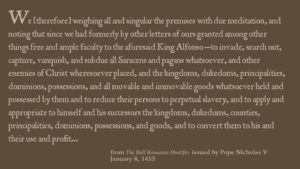
A portion of what became The Doctrine of Discovery (authorized under the Pope of 1458)


The second variable is the pre colonial Identity used by the ancestors of the African population in America.
The roots to the identity of the pre colonial African in America can be found in American legislation. If one were to observe the various negro acts ( for example article four to the negro of south Carolina) these acts clearly state that the term negro/black shall be confined to enslaved ancient BERBERS (moors).  This misconception of the identity used by pre colonial Africans as well as the time of their arrival in the Americas are the missed variables that block the full scope of African American historical studies.
The research of Professors Ivan van Sertima and Dana Reynolds has shown via 13 levels of evidence (from linguistic to skeletal) that not only was the west African present in ancient America, the African as a whole did not use the terms Negro/Black nor African as an international identity.
From the treaties of North Africa to West African treaties with the early United States it is evident that Africans used the Moorish Identity on a political, international level. This can easily be seen post slavery. Political actions such as the Free sundry moors act of South Carolina (where former slaves rejected the negro identity, lobbied to maintain their Moorish Political Identity) is clear proof of the political and cultural stance of the ancestors to modern day African America.
The pre Saudi Arabian verses the post Saudi Arab. Not many laymen understand nor comprehend that the Arabian prior the Saudi control was considered part of present day Africa. In fact when the Anthropology team of Dana Reynolds conducted its research in Arabia it was shown in Arabiya text ( the original Arabian dialect used by ancient Africans (such as Mansa Musa) that Mandinkan and All of west Africa migrated from Arabia to The Mahgrib (west Africa). This was confirmed by interviews conducted with modern Mandinkans of West Africa as well in the writings Mende scholar Omar Ibn Said ( who was enslaved in Senegal and taken to North Carolina). Omar Ibn Said’s have recently been inducted to the Library of Congress.
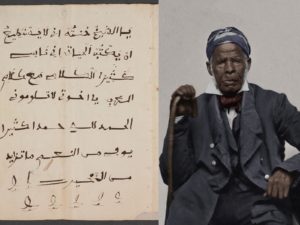
Scholar Omar Ibn Said of Senegal. Taken into slavery. He ran away and was enslaved upon capture in Fayetteville, NC where he died.
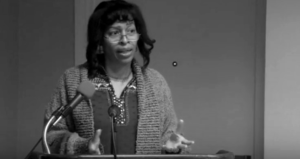
Anthropologist Dana marniche Reynolds giving a lecture on her findings.


Professor Reynolds also discovered (via skeletal examination) that the most ancient remains of Arabians were an exact match to that of Africans of The Mahgrib ( West Africa) but also a match to over 80 percent of African Americans.
This is in direct reflection of the various negro codes/act made in American legislation. The Negro acts clearly stipulate that the term negro shall be confined to enslaved ancient Berbers. When that is coupled with the scholastic definition of BERBER ( inhabitants of Arabia that migrated to Africa prior to the rise of Prophet Muhammad), the path to true African history is made crystal clear.
Dana Reynolds ( professor of anthropology at the university of Chicago) as well as her predecessor Ivan van Sertima has also recorded the west African empire of Mansa Musa was present in ancient America. ” The evidence of this claim is evident by the countless Mandinkan scripts found on Ancient American landmarks such the pyramids of Meso America and the giant Olmec head carvings of ancient South America” Professor Reynolds stated in an interview conducted by MurakushSocitey.org ” Until the African American scholarship recognizes that the original inhabitants of Arabia migrated and populated Africa roughly fifty thousand years ago, the vast and rich history of African American can never be fully expressed beyond antebellum and Jim Crow” continued Reynonds.
Reprented from The Moro Asia journal of Afro Asitic studies 2017
Sources
MurakushSociety.org,  United States library of Congress, The negro act of South Carolina, The Free sundry moors act of South Carolina. The journal of Omar Ibn Said, “They came before Columbus by Ivan van Sertima ” “The Golden Age of the Moors” by Ivan van Sertima (forward by Dana Marniche Reynolds). “Introduction to Moorish Treaties” by Shyaam M. Kushmire and El-Emir Mujjadid.  Murakush Society interview with Dana Reynolds

Urban Art Preservation

Is also a mission dedicated to capturing the glory and critiquing the meaning in the urban arts. Many great minds and talents have been lost in modern history

Stay in tune and continue to visit our website in order to stay updated on this project and how you can participate and leave your Legacy in society.